
Uterine Polyp Removal
in Raichur, Karnataka
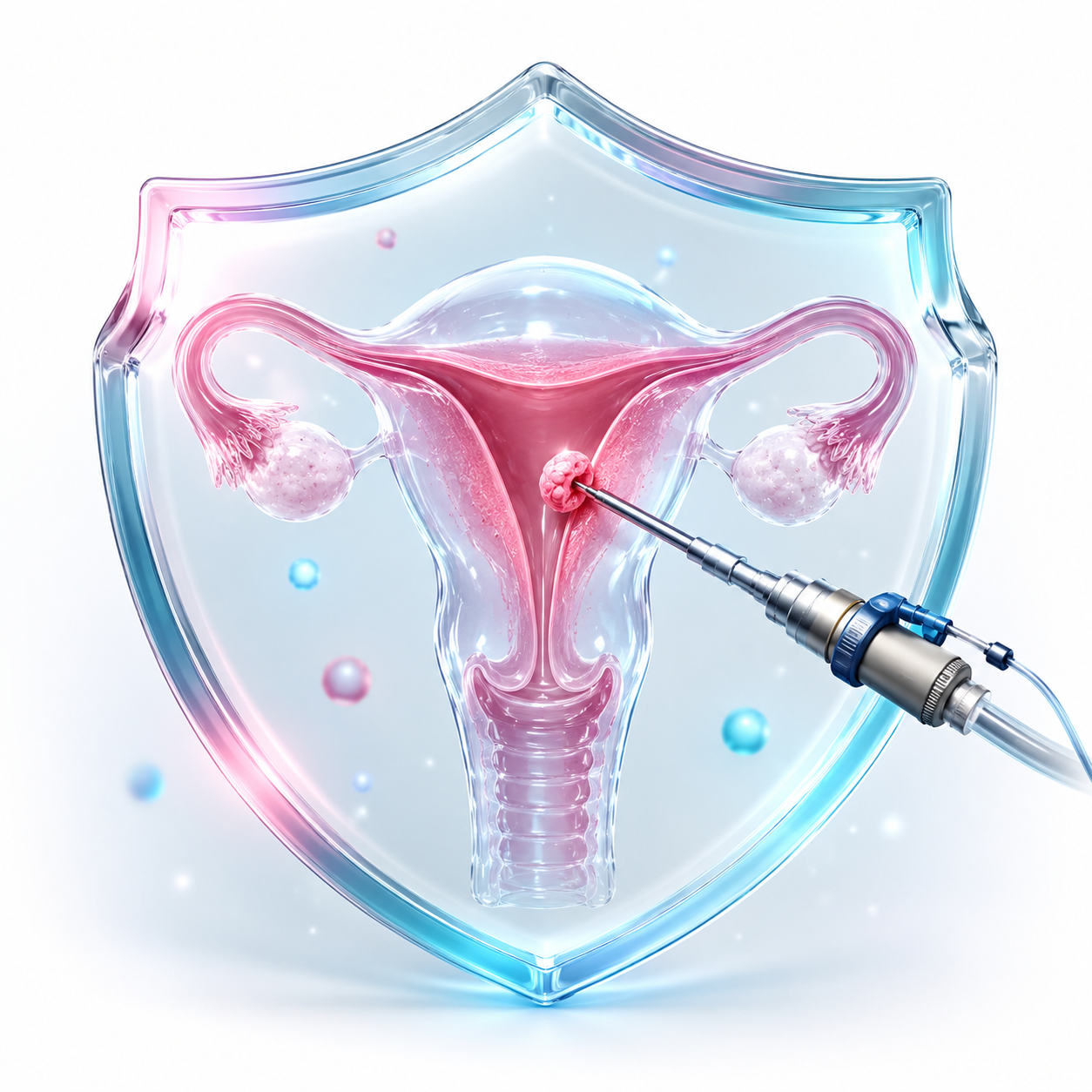
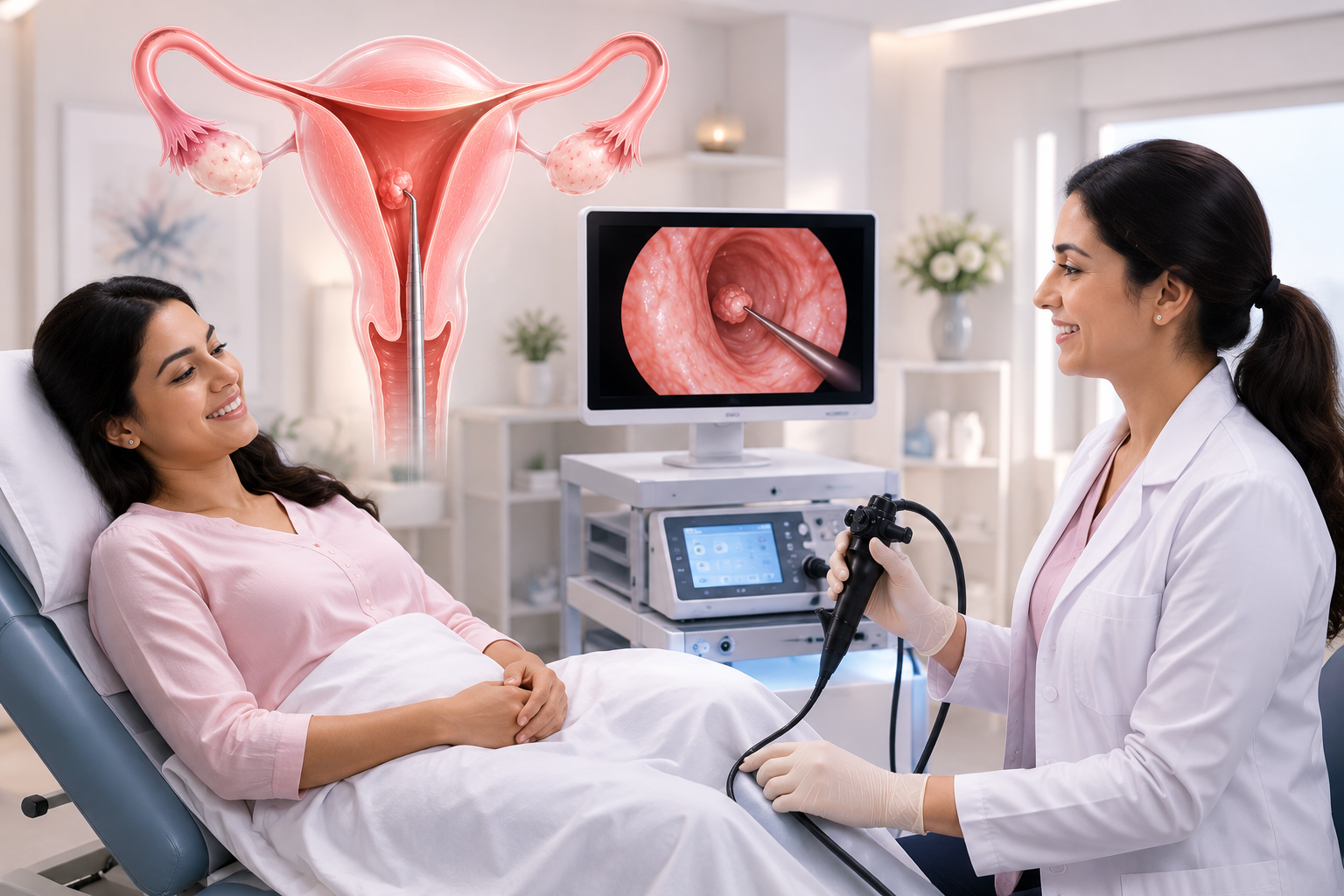
Endometrial polyps are one of the most common and most treatable causes of heavy periods, irregular bleeding and female infertility. At Hosamani Hospital Raichur, we remove uterine polyps through the cervix with a hysteroscope — no abdominal cut, no wound to heal and most patients are home the same day. Precise. Painless. Permanent Resolution.
- Hysteroscopic Polypectomy — Zero Abdominal Incision
- Treats Abnormal Uterine Bleeding & Heavy Periods
- Restores Fertility — Removes Implantation Barriers
- Addresses Recurrent Pregnancy Loss from Polyps
- Same-Day Discharge. Back to Life in 2–3 Days
- Cashless Insurance Assistance Available
Our gynaecology team confirms your appointment within 2 hours
Your details are completely private and never shared.
Uterine Polyp Removal at Hosamani Hospital, Raichur
A uterine polyp is an abnormal, soft growth that develops from the inner lining of the uterus — the endometrium. These fleshy projections vary in size from a few millimetres to several centimetres and can occur singly or in clusters. While some polyps remain silent, many cause significant disruption: periods that are heavier or more prolonged than normal, bleeding between cycles, spotting after menopause and, critically, difficulty conceiving or carrying a pregnancy to term.
At Hosamani Hospital Raichur, uterine polyp removal is performed by hysteroscopic polypectomy — the internationally accepted gold standard technique. A narrow hysteroscope is introduced through the cervix into the uterine cavity under anaesthesia. The gynaecologist visualises the polyp directly and removes it with precision instruments that operate through the same channel, leaving the surrounding endometrium intact. Women across Raichur, Koppal, Yadgir, Bellary, Sindhnur and the wider North Karnataka region choose Hosamani Hospital for this procedure because specialist care is now available close to home — without the cost and inconvenience of travelling to Hyderabad or Bengaluru.
Symptoms That May Indicate a Uterine Polyp
Many women live with these symptoms for months or years before a polyp is detected. If any of these apply to you, a pelvic ultrasound and consultation at Hosamani Hospital Raichur can provide clarity and a clear treatment path.
Heavy or Prolonged Periods
Menorrhagia from Endometrial PolypsPeriods that last longer than seven days, require frequent pad changes or pass large clots are a classic presentation of endometrial polyps. Polypectomy at Hosamani Hospital Raichur resolves this in the majority of women without hormonal medication.
Irregular Bleeding Between Periods
Intermenstrual & Post-Coital SpottingSpotting in the days between cycles, bleeding after intercourse or unexpected blood loss at any point in the month can all originate from a polyp projecting into the uterine cavity. These symptoms should always be investigated promptly.
Difficulty Conceiving
Polyp-Related Implantation FailureAn endometrial polyp inside the uterine cavity physically interferes with embryo implantation and alters the local uterine microenvironment. Removing the polyp by hysteroscopic polypectomy frequently results in a successful pregnancy without any additional fertility treatment.
Recurrent Pregnancy Loss
Miscarriage Caused by Uterine PolypsWomen who have experienced two or more miscarriages should have the uterine cavity evaluated. A polyp at the implantation site can prevent a healthy pregnancy from establishing and sustaining. Polypectomy corrects this before the next attempt.
Postmenopausal Bleeding
Polyps in Women After MenopauseAny bleeding that occurs after twelve consecutive months without a menstrual period must be evaluated without delay. Endometrial polyps are a common cause, and hysteroscopic removal allows the tissue to be sent for histopathological examination — providing both treatment and diagnosis.
Incidental Ultrasound Finding
Polyp Detected on Routine ScanSome polyps cause no symptoms at all and are found during a routine pelvic ultrasound or fertility workup. Whether removal is warranted depends on the polyp's size, location and your clinical history. Our gynaecologists at Hosamani Hospital Raichur will advise you clearly on next steps.
Women Who Benefit Most from Hysteroscopic Polypectomy in Raichur
If any of the following descriptions match your situation, a consultation with our gynaecology team at Hosamani Hospital Raichur is the right first step.
How Uterine Polyp Removal is Performed at Hosamani Hospital
A clear, structured pathway from diagnosis through to full recovery — so you know exactly what to expect at every stage.
Initial Consultation
Your gynaecologist takes a detailed history, reviews your ultrasound findings and discusses whether hysteroscopic polypectomy is the right solution for your specific situation and symptoms.
Pre-Procedure Assessment
Routine blood tests, a repeat pelvic ultrasound to map the polyp precisely, and an anaesthesia assessment are completed. The procedure is ideally timed in the first half of your menstrual cycle for optimal visibility.
Informed Consent
Your surgeon explains every aspect of the procedure, the instruments involved, what tissue will be sent for histology, the expected outcome and recovery. You have the opportunity to ask all your questions before proceeding.
Hysteroscopic Polypectomy
Under anaesthesia, the hysteroscope is passed through the cervix. The polyp is identified on the monitor and removed completely at its base using precision instruments — the entire inner cavity remains undisturbed and no abdominal access is used at any stage.
Recovery & Same-Day Discharge
Following a brief recovery period, most patients are discharged on the day of their procedure with written aftercare instructions, prescribed medication and a direct contact number for questions during recovery at home.
Follow-Up & Histology Review
The removed polyp tissue is sent for histopathological analysis. Results are reviewed at your follow-up consultation alongside a repeat ultrasound, and your gynaecologist discusses next steps — including fertility planning if relevant.
Why Women Across North Karnataka Choose Hosamani Hospital for Uterine Polyp Removal
Effective uterine polyp removal depends on surgeon experience, the right instruments and a facility that is designed around patient comfort and rapid discharge. Hosamani Hospital Raichur brings all of this together — so women from Raichur, Koppal, Yadgir, Bellary, Sindhnur and surrounding areas receive definitive treatment close to home.
- Dedicated hysteroscopy suite equipped with high-definition optics, mechanical morcellator and electrosurgical systems for polyp removal of any size
- Gynaecological surgeons with high procedural volumes in hysteroscopic polypectomy — experience that directly translates to complete polyp removal and lower recurrence
- Every removed polyp submitted for histopathology — confirming complete removal and ruling out atypical or malignant features
- Dedicated anaesthesia team present at every procedure — spinal or general, selected for your safety and comfort
- Structured fertility counselling for women whose polyp removal is part of a wider conception plan — before or alongside IVF/IUI cycles
- Cashless insurance assistance and transparent pricing discussed before any procedure is scheduled
Book Your Consultation
Share your details and our gynaecology coordinator will call you back within 1 hour to discuss your situation.
DepartmentPrivate & confidential. We never share your details.