
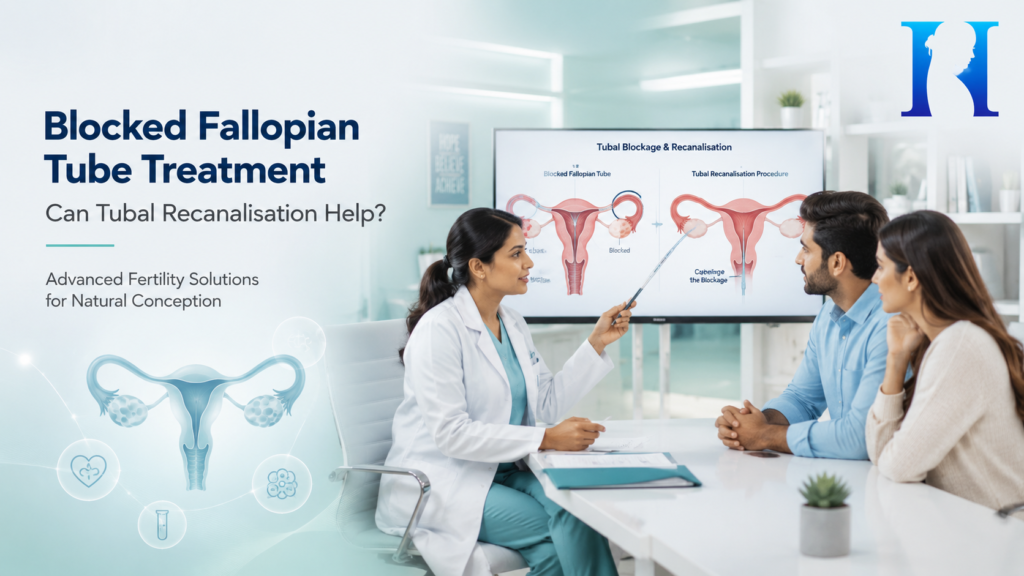
Blocked Fallopian Tube Treatment and Tubal Recanalisation is an important topic for women experiencing infertility. Fallopian tubes play a crucial role in natural conception because they allow the egg and sperm to meet. When one or both tubes become blocked, pregnancy can become difficult. However, several treatment options are available today. Therefore, understanding tubal recanalisation and its benefits can help women make informed fertility decisions.
What Are Blocked Fallopian Tubes and How Do They Affect Fertility?
Blocked Fallopian Tubes can prevent the egg and sperm from meeting naturally. As a result, fertilization may not occur, reducing the chances of pregnancy.
Fallopian tube blockage may affect:
• Natural conception
• Egg transport
• Fertilization
• Embryo movement
• Overall fertility
Moreover, the severity and location of the blockage can influence treatment recommendations.
Common Causes of Fallopian Tube Blockage
Several conditions can lead to tube blockage. Therefore, identifying the cause is an important part of fertility evaluation.
Common causes include:
• Pelvic inflammatory disease
• Endometriosis
• Previous pelvic surgery
• Pelvic infections
• Scar tissue formation
• Tuberculosis-related damage
Additionally, some women may not experience symptoms until they begin fertility investigations.
Can Blocked Fallopian Tube Treatment and Tubal Recanalisation Improve Pregnancy Chances?
Blocked Fallopian Tube Treatment and Tubal Recanalisation may improve fertility in selected patients. The goal of treatment is to restore tubal patency and improve the chances of natural conception.
Benefits may include:
• Improved egg transport
• Better fertilization opportunities
• Increased natural pregnancy chances
• Reduced need for advanced treatments
• Faster fertility planning
Consequently, many women may be able to attempt natural conception after successful treatment.
Understanding the Tubal Recanalisation Procedure
The Tubal Recanalisation Procedure is a minimally invasive treatment used to open certain blocked fallopian tubes.
During the procedure:
• A thin catheter is inserted through the cervix
• The blockage is identified
• Specialized instruments open the blocked area
• Tubal patency is restored when possible
Furthermore, the procedure is generally performed without major surgery and usually allows a quick recovery.
Who Is a Good Candidate for Tubal Recanalisation?
Not all patients with blocked tubes require IVF immediately. Therefore, doctors carefully evaluate the type and location of the blockage.
Women may be suitable candidates if they have:
• Proximal tubal blockage
• Good ovarian reserve
• No severe pelvic disease
• Favorable fertility evaluation results
• Desire for natural conception
Additionally, fertility specialists use imaging studies and diagnostic tests to determine eligibility.
Pregnancy After Tubal Recanalisation: What to Expect
Pregnancy After Tubal Recanalisation is possible for many women when the procedure successfully restores tubal function.
Factors that influence outcomes include:
• Age
• Overall fertility health
• Type of blockage
• Duration of infertility
• Presence of other fertility conditions
Moreover, many women conceive naturally within months after successful treatment.
When Is IVF Recommended Instead of Tubal Recanalisation?
Sometimes Fallopian Tube Blockage Treatment may not be enough to restore fertility. In these situations, IVF may provide a better chance of pregnancy.
IVF may be recommended when:
• Both tubes are severely damaged
• Recanalisation is unsuccessful
• Advanced endometriosis exists
• Additional infertility factors are present
• Pregnancy is desired quickly
Similarly, IVF bypasses the fallopian tubes completely, allowing fertilization to occur in the laboratory.
Women seeking treatment from a Fertility Specialist in Raichur may receive personalized recommendations based on their fertility evaluation. Additionally, an IVF Centre in Raichur can provide advanced fertility options when required.
Conclusion: Blocked Fallopian Tube Treatment and Tubal Recanalisation
Blocked Fallopian Tube Treatment and Tubal Recanalisation offers hope for many women experiencing infertility. Moreover, tubal recanalisation may restore fertility and improve natural conception chances in suitable candidates.
Additionally, early diagnosis and appropriate treatment planning are important for achieving the best outcomes. Therefore, women facing fertility challenges should consult an experienced fertility specialist to explore the most suitable treatment options.
FAQs
Can blocked fallopian tubes be treated?
Yes. Treatment options include tubal recanalisation, surgery, and IVF depending on the cause and severity of the blockage.
What is tubal recanalisation?
Tubal recanalisation is a minimally invasive procedure used to open certain blocked fallopian tubes.
Can I get pregnant after tubal recanalisation?
Many women achieve pregnancy after successful tubal recanalisation, especially when no other fertility issues are present.
Is IVF always necessary for blocked fallopian tubes?
No. Some women may benefit from tubal recanalisation or other treatments before considering IVF.
Book Your Fertility Consultation Today
✔ Female Fertility Evaluation
✔ Tubal Patency Assessment
✔ Tubal Recanalisation Consultation
✔ IVF Assessment
✔ Pregnancy Planning Support
✔ Expert Fertility Guidance
If you are struggling with infertility or have been diagnosed with blocked fallopian tubes, schedule a consultation today. Early evaluation and expert care can help you explore the best path toward pregnancy.